West Broward Insider
From Sawgrass to Suburb:
West Broward Then and Now.
A look back at what our communities were just fifty years ago, and how far they have come.
Fifty years ago, most of what we now call West Broward was open marsh, cattle pasture, and a brand-new town that critics wrote off as a swamp. Half a century later, it is one of the most desirable corners of South Florida.
Picture It
West Broward, Around 1975
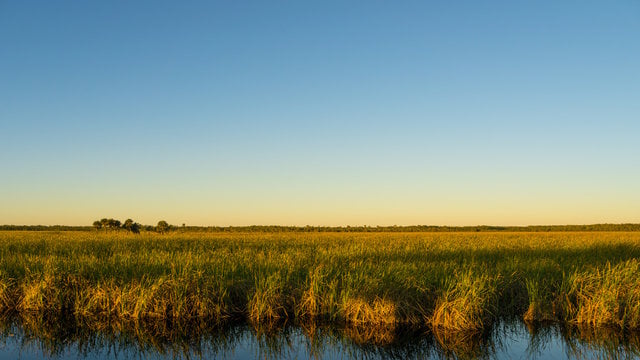
Drive west of Fort Lauderdale in the mid-1970s and the suburbs ran out fast. Past a certain point it was sawgrass, drainage canals, melaleuca trees, and grazing cattle, the edge of the Everglades. Coral Springs was a young experiment, a planned town rising out of a drained bean farm that critics had dismissed as a swamp. Most of the rest was still waiting.
It could be a rough place. The enormous ranch that became Coral Springs was once known for cattle rustlers and poachers, with armed patrols guarding the herds. Old-timers half-jokingly called it Wild West Broward.
Here is a detail almost no one believes. On January 19, 1977, it actually snowed in South Florida. Flurries were reported as far south as Miami Beach. The folks who were here still talk about it.
By the Numbers
Then and Now, Side by Side
Numbers tell the story better than anything. A rough snapshot of then versus now:
Then · 1975 | Now | |
|---|---|---|
Broward County | About 620,000 people | About 1.95 million people |
Coral Springs | Around 1,500 residents | Around 134,000 residents |
Parkland | Under 100 residents | Around 35,000 residents |
Weston | Did not exist yet | Around 70,000 residents |
The land out west | Sawgrass, canals, cattle | Master-planned neighborhoods |
A new home ran | Low tens of thousands | Often past half a million |
Population figures from U.S. Census counts for 1970 and 2020. Home values are directional, shown for illustration.
City by City
How Each Town Began
Most of our cities are younger than you might think, and each one started for a very different reason.
The Land
From Sawgrass to Subdivisions
The single biggest change is the land itself. Decades of drainage projects, especially after the major floods of the 1940s, turned marsh into buildable ground. Wetland and pasture became neighborhoods, lakes, and golf courses. The area now known as Weston is the clearest example. In the 1970s it was open marsh and ranchland held by an industrialist's company. The first homes did not go up until 1984, and the city was not incorporated until 1996.
Getting Around
Before the Sawgrass Expressway
Getting west used to mean two-lane roads and a lot of patience. Interstate 95 was not finished through Broward until 1976. The Coral Square mall did not open until 1984, the Sawgrass Expressway until 1986, and Sawgrass Mills, now one of the largest outlet malls in the country, not until 1990. The roads and shopping we take for granted simply were not there yet.
For Homeowners
What It Means If You Own Here Today
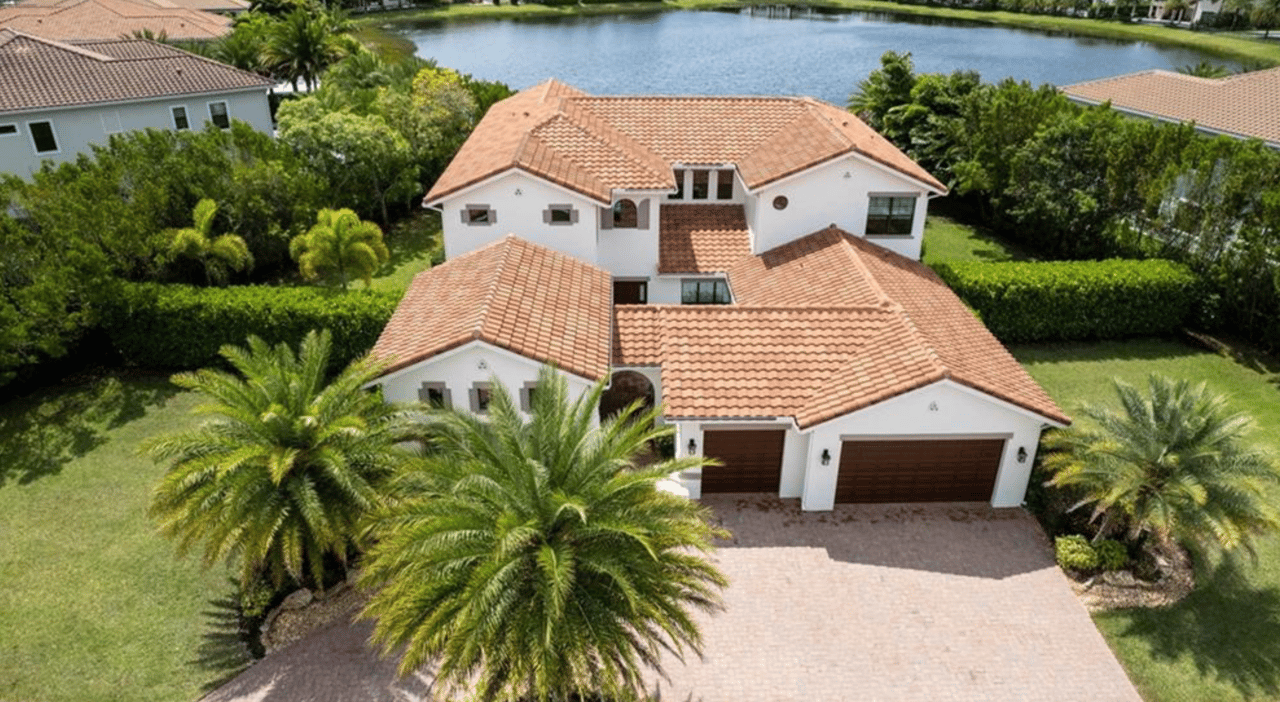
If you own a home in West Broward, you are sitting on the payoff of all that growth. A region that was farmland and swamp within living memory is now built out, established, and still in demand. That maturity, the schools, the parks, the amenities, and the limited land that is left, is a big part of why values here have held up so well. The frontier days are over. What remains is a set of communities people genuinely want to live in.
I love this stuff, the old photos, the stories from longtime residents, the sense of how far these communities have come. If you ever want to know the history of your own street, or simply what your home would bring in today's market, reach out anytime.
Carlos Caicedo, P.A.
Lanser-Caicedo Group | RE/MAX Direct
[email protected] | (754) 368-0783
Instagram: @CarlosSellsFlorida
www.CarlosSellsFlorida.com