Re-imagining Downtown Fort Lauderdale in 2026
What’s been built, what’s coming next, and why West Broward should be paying attention
Fort Lauderdale may sit on the eastern edge of Broward County, but its influence extends well beyond the coast, especially for residents in West Broward. Just a 20–30-minute drive from communities like Coral Springs, Parkland, and Weston, Downtown Fort Lauderdale serves as the primary hub for entertainment, nightlife, dining, arts, and culture. Whether you’re grabbing dinner with friends, catching a show, hopping on Brightline for a weekend getaway, or investing in real estate, the city’s downtown renaissance is reshaping how Broward lives, works, and plays.
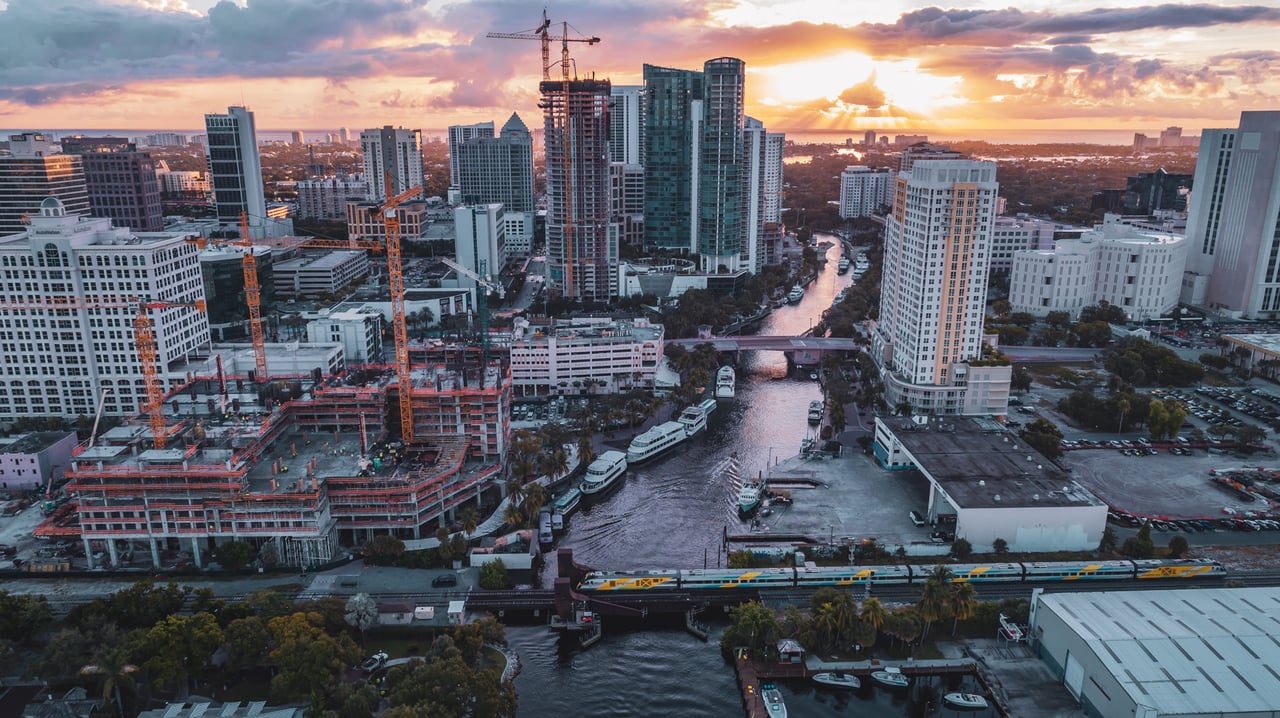
Downtown’s residential base is growing rapidly, its public spaces are being upgraded, and multiple major infrastructure projects have changed the skyline and the way people move around the city. Let’s break down what’s been done recently, what’s happening now in 2026, what’s next, and why it matters even if you live in West Broward.
What’s Been Built in the Last 5 Years
Downtown’s profile has risen dramatically thanks to significant public and private investments:
Residential & Mixed-Use Growth
-
Multiple new condo and apartment towers have reshaped the skyline, bringing thousands of new urban residents downtown and boosting the local economy.
-
Major mixed-use districts — such as the $500+ million redevelopment in Flagler Village — are transforming former industrial and arts areas into vibrant live-work-play neighborhoods with housing, offices, retail, and entertainment spaces.
Public Space Upgrades
-
Huizenga Park along the New River completed a multi-year, multi-million-dollar renovation, reopened early 2026 with expanded green space, programming areas, and a vision that connects the waterfront with downtown development.
-
The Riverwalk District — an ongoing initiative — continues enhancing public access to the river and strengthening pedestrian connections between key districts downtown.
Infrastructure Catalysts
-
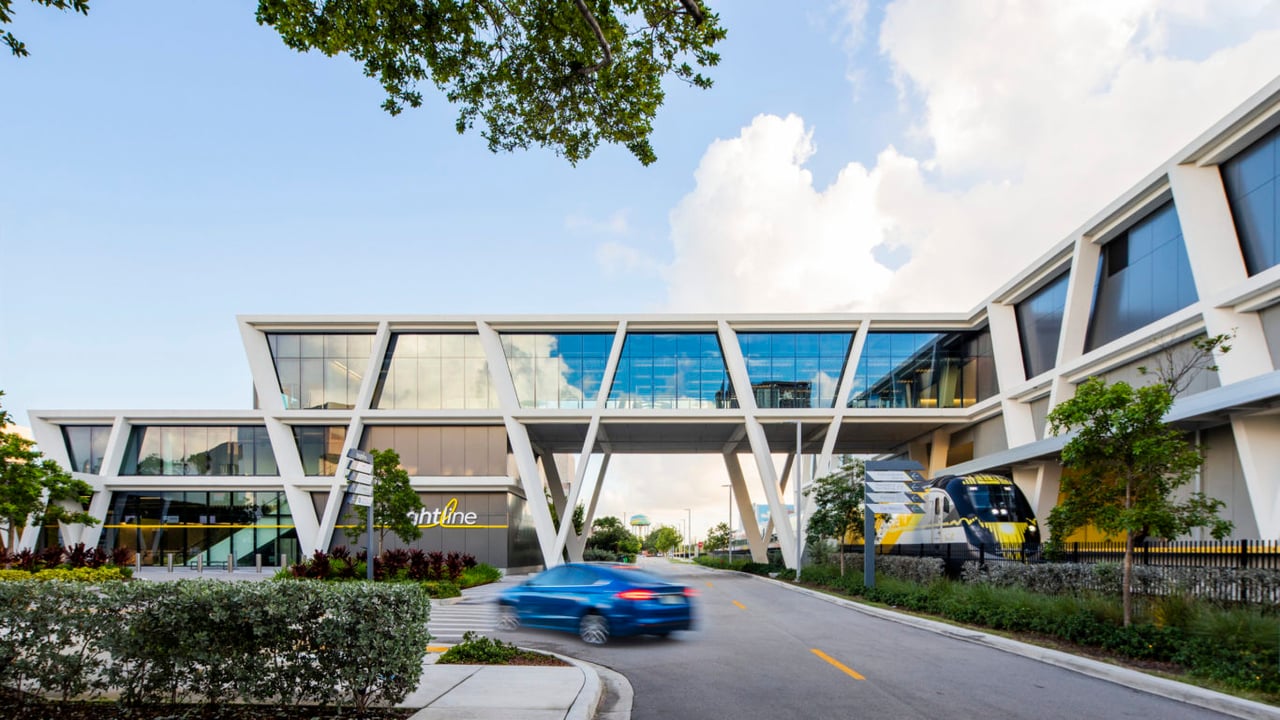
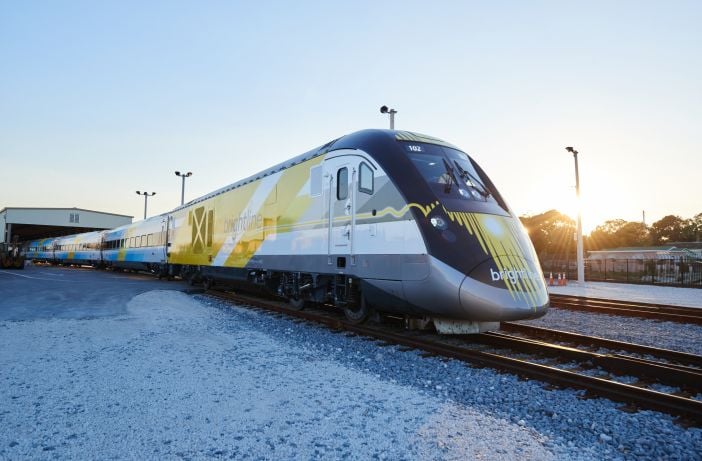
The introduction and expansion of high-speed rail access via Brightline has been a game-changer for the urban core, driving transit-oriented development and increasing demand for walkable, urban living.
Projects Slated for 2026 (Underway or Near Completion)
As of 2026, several major developments are actively shaping the downtown experience:
Flagler Village & FAT Village
-
New apartment towers — part of the ongoing $500 million FAT Village redevelopment — are expected to open by mid-2026, adding hundreds of residences alongside retail, offices, and entertainment spaces.
-
The first mass timber office building downtown — part of this project — just topped out, providing creative office space expected to attract businesses and diversify the job base.
Transit-Oriented Residential
-
Plans moving forward for a luxury mixed-use development adjacent to the Brightline station will bring nearly 400 new residential units near downtown’s most convenient transit hub.
Streetscape & Public Space Updates
-
The redesign of Las Olas Boulevard — proposing wider sidewalks and enhanced pedestrian amenities — is underway, prioritizing walkability and customer experience in one of the region’s most iconic streets.
Broward County Convention Center Expansion
-
Significant expansion at the Broward County Convention Center, including a waterfront ballroom, outdoor plaza, restaurants, and a new headquarters hotel, continues through 2026, further solidifying downtown as an event destination.
Approved Projects That Haven’t Broken Ground Yet
Looking slightly beyond the immediate horizon into the next few years:
-
Dozens of additional residential, hotel, retail, and office projects are approved and included in the DowntownFTL 2030 Vision, collectively adding thousands of units, millions of square feet of commercial space, and hundreds of hotel rooms to downtown.
-
Early plans have been filed for new mixed-use buildings on Las Olas Boulevard that will add boutique retail and residential offerings.
Why All This Matters to West Broward Residents
You might live in Parkland or Weston, but what happens in Downtown Fort Lauderdale echoes throughout Broward County — and here’s why:
1. Growing Regional Hub
Downtown Fort Lauderdale increasingly anchors Broward’s entertainment, dining, and nightlife scene. Locals from West Broward travel east for concerts, new restaurants, cultural events, and waterfront activities that simply don’t exist in smaller suburban centers.
2. Enhanced Connectivity
With Brightline and ongoing transit-oriented projects, travel between West Broward, Miami, Palm Beach, Orlando, and beyond is easier than ever — making downtown a true regional connector, not just a local destination.
3. Rising Property Values
Investment in downtown infrastructure and public spaces often correlates with broader market confidence across the county. Strong urban job growth, lifestyle demand, and rising homebuilding rates can positively buoy resale values even in suburban West Broward.
4. Lifestyle & Amenities
As Fort Lauderdale becomes more walkable, vibrant, and amenity-rich, it strengthens Broward County’s appeal as a whole — supporting tourism, attracting businesses, and reinforcing South Florida as a premier place to live, work, and play.
Thinking about real estate opportunities across Broward County — including areas connected to downtown growth? I’d love to help you explore current listings, future developments, and what these market shifts mean for your goals.
Carlos Caicedo, P.A.
Lanser-Caicedo Group | RE/MAX Direct
📧 [email protected] | 📱 (754) 368-0783
📸 Instagram: @CarlosSellsFlorida
🌐 www.CarlosSellsFlorida.com